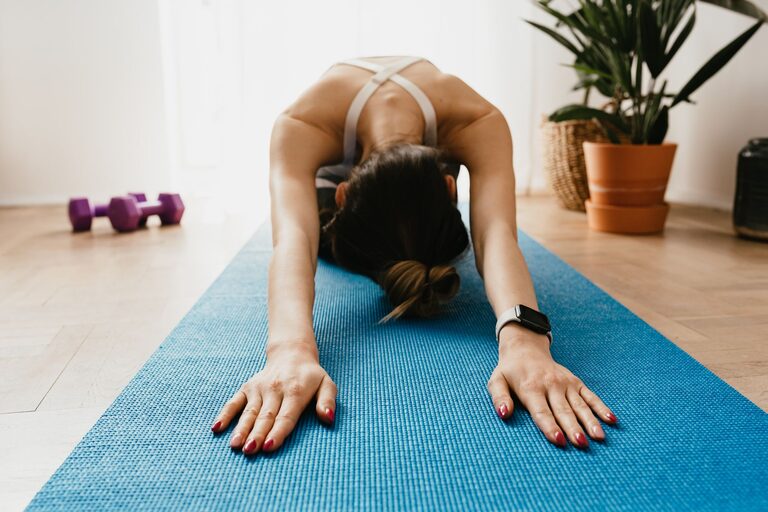
Stretching is an excellent way to enhance your flexibility, reduce muscle tension, and improve overall well-being. You don’t need fancy equipment or a gym membership to get started—just a little space at home and some time. This beginner’s guide will walk you through the basics of stretching at home, share tips for safe practice, and provide easy routines to incorporate into your daily life.
Why Stretching Matters
Stretching helps to lengthen muscles and tendons, improve joint mobility, and prepare the body for movement. It can relieve muscle stiffness, reduce the risk of injury, and promote relaxation. For those who spend long hours sitting or standing, stretching is especially beneficial in counteracting muscle tightness and improving posture.
Getting Started: What You Need
– Comfortable clothing: Wear loose or stretchy clothes that allow you to move freely.
– A quiet space: Find a spot where you have enough room to stretch without interruptions.
– A mat or towel: This provides cushioning for floor stretches.
– Time and patience: Even 10-15 minutes daily can make a difference over time.
Basic Principles of Stretching
Before you begin, keep these principles in mind to stretch safely and effectively:
– Warm up first: Stretching cold muscles can cause injury. Do light activity like walking or marching in place for 3-5 minutes.
– Stretch gently: Move slowly into each stretch until you feel mild tension—not pain.
– Hold steady: Maintain each stretch for 15-30 seconds.
– Breathe deeply: Use slow, controlled breaths to help relax your muscles.
– Avoid bouncing: Stretch smoothly without jerking movements.
– Stretch both sides: Make sure to balance your routine by stretching muscles on both sides of the body evenly.
Types of Stretching
Static Stretching
This involves holding a stretch at the point of mild tension for a set time. It’s ideal after exercise or for general flexibility improvement.
Dynamic Stretching
Dynamic stretches involve moving parts of your body through a full range of motion and are best used during warm-ups to prepare the body.
For beginners, static stretching is often easier and safer to start with.
Beginner-Friendly Stretching Routine
Here is a simple routine to try at home. Perform each stretch slowly and hold for about 20 seconds. Repeat 2-3 times as you feel comfortable.
Neck Stretch
– Sit or stand up straight.
– Slowly tilt your head to the right, bringing your ear toward your shoulder.
– Use your right hand to gently apply light pressure on the left side of your head.
– Repeat on the left side.
Shoulder Stretch
– Bring your right arm across your body at shoulder height.
– Use your left hand to press your arm closer to your chest.
– Switch arms.
Triceps Stretch
– Raise your right arm overhead.
– Bend your elbow to reach down your back.
– Use your left hand to gently push your right elbow.
– Switch arms.
Chest Stretch
– Stand tall, clasp your hands behind your back.
– Straighten your arms and lift your chest slightly.
– Hold and breathe deeply.
Cat-Cow Stretch (Spine Mobility)
– Get on your hands and knees.
– Arch your back up toward the ceiling (Cat).
– Then lower your belly toward the floor and lift your head (Cow).
– Move slowly between these positions 5 times.
Hamstring Stretch
– Sit on the floor with your right leg extended.
– Bend your left knee and place the sole of your foot against your right inner thigh.
– Reach toward your right foot without rounding your back.
– Switch legs.
Quadriceps Stretch
– Stand next to a wall for balance.
– Bend your right knee and grab your right ankle with your right hand.
– Pull your foot gently toward your buttocks.
– Switch legs.
Calf Stretch
– Stand about two feet from a wall.
– Place your hands on the wall.
– Step your right foot back, keeping heel on the floor and leg straight.
– Lean forward slightly.
– Switch legs.
Tips for Success
– Be consistent: Aim for a daily or at least several times weekly routine.
– Listen to your body: If a stretch causes pain, ease off or skip it.
– Combine with other activities: Stretching complements walking, yoga, or light strength exercises well.
– Track progress: Notice improvements in flexibility and comfort to stay motivated.
– Stay hydrated: Drinking water helps keep muscles healthy.
When to Avoid Stretching or Be Cautious
If you have injuries or medical conditions affecting muscles, joints, or bones, consult a healthcare provider before starting any stretching routine. Avoid stretching areas with acute pain, swelling, or inflammation.
Final Thoughts
Stretching at home is a simple, cost-effective way to improve your flexibility and promote relaxation. Starting with basic stretches and following safety tips will help you build a lasting routine that benefits both your body and mind. Take it slow, be patient, and enjoy the positive changes that come from making stretching a regular part of your day.